



Global digital marketing is entering another fast-moving year, to say the least.
The shifts that shaped 2025, including rising consumer expectations, region-specific platform behavior and AI-driven workflows, have created new opportunities for brands that adapt quickly.
Success in 2026 won’t come from repeating last year’s playbook. It will come from building agile, cross-border strategies, tailoring experiences with cultural nuance and using technology to stay ahead of evolving consumer habits.
What to expect from global digital marketing in 2026
One thing is clear: the digital marketing landscape isn’t slowing down, it’s accelerating.
From AI acting as a proactive partner to sharper cross-border strategies, global marketers are rethinking everything from platforms to personalization.
In 2026, success will favor the brands that adapt fast, think regionally from day one and use data to make smarter creative decisions.
Here’s what we expect to define global marketing next year.
1. AI becomes fully operational across regional and multilingual workflows
AI will be a standard part of every global marketer’s workflow. The focus will shift from adoption to optimization, integration and responsible scaling.
According to a Harvard University report, AI is now embedded across marketing teams’ daily workflows to:
- Streamline repetitive tasks
- Generate insights from large datasets
- Enhance localization with faster turnaround and higher relevance
But the real shift will be in how marketers use AI to manage high‑volume, multi‑market workflows while maintaining brand integrity and cultural nuance.
Localized content adaptation
Marketers are increasingly pairing AI translation tools such as DeepL, Smartling and Google Translate with expert editorial oversight. This approach allows for faster localization without sacrificing tone, intent or brand personality, especially for fast‑turnaround social and campaign content.
Predictive personalization
AI continues to advance beyond segmentation. In 2026, models will automatically tailor creative hooks, tones and calls to action by region, allowing global brands to test multiple cultural narratives for a single campaign, improving both relevance and conversions.
Creative performance optimization
AI tools like Persado and Jasper Analyze are now used to A/B test creative variations in real time, identifying which emotional drivers, structures and CTAs perform best across regions.
Across our multilingual projects at VeraContent, we see the strongest outcomes when AI is treated as a scalability partner, not a shortcut. Automation accelerates versioning and production, but human expertise ensures authenticity and precision in every language.
If you’re refining your internal AI processes, watch our video: How to train your team to use AI correctly. It walks through how to equip teams to use AI effectively, as well as finding the balance between automation and human insight that ensures accuracy, creativity and trust.
2. Hyper-local beats global-generic
In 2026, a “global post” risks doing more harm than good. Why? Because relevance is currency, and generic messaging simply won’t earn attention anymore.
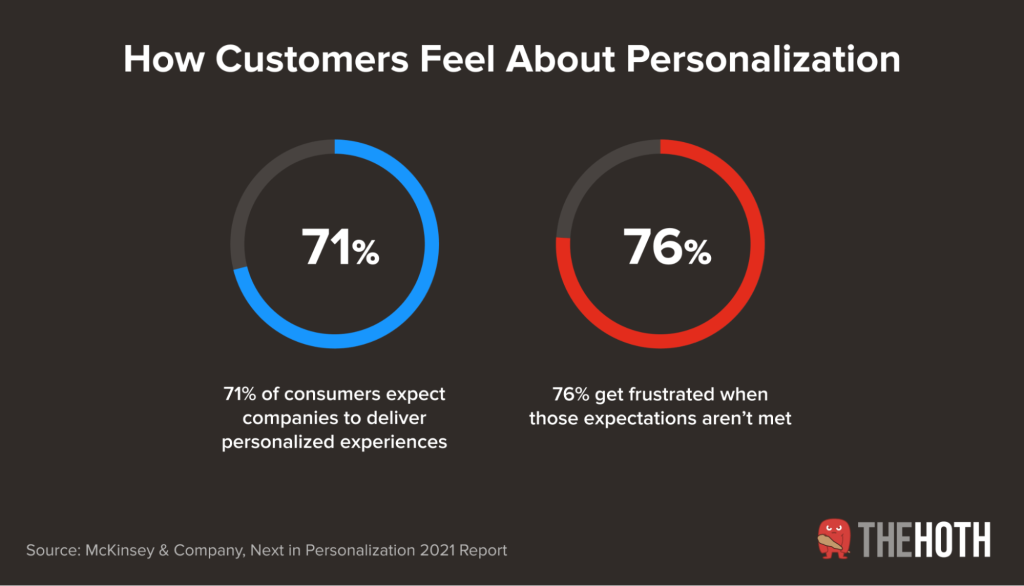
Rising consumer expectations, smarter algorithms and platform-specific trends are making hyper-localization a must. According to McKinsey, 71% of consumers expect personalized content, and 76% feel frustrated when they don’t get it.
This isn’t slowing down, it’s accelerating.
Hyper-localization won’t just be a competitive advantage. It will be a baseline expectation.
And no, we’re not talking about “Hello [First Name]” personalization. Relevance in 2026 will mean tailoring everything:
- Language
- Imagery
- Pacing
- Value propositions
- Local creators and collabs
Region-specific execution continues to outperform global templates
Take Rare Beauty’s Cheek & Lip Set collab with Tajín as a case study in culturally driven marketing. Launched exclusively in Mexico in August 2025, the collection featured shades inspired by iconic Mexican flavors, Chamoy and Clásico, evoking cultural pride, nostalgia and joy.

The launch generated buzz and sold out quickly, demonstrating how deeply local relevance can connect with audiences.
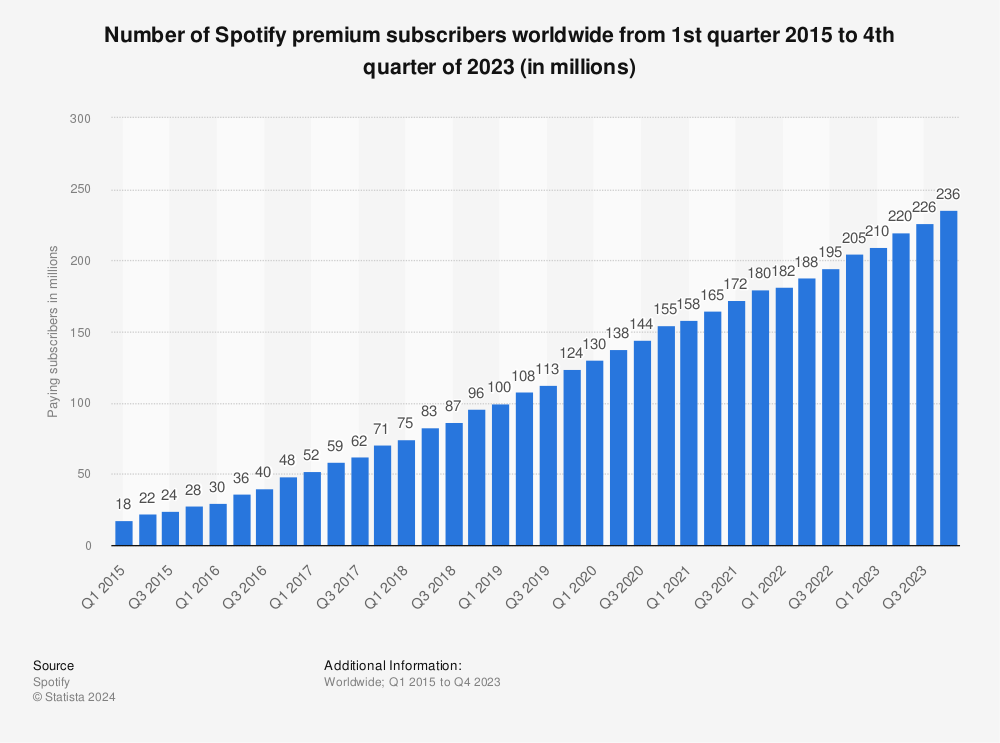
Spotify brings another good localization example. With 32% of the global music streaming market share in Q4 2024, Spotify’s international success is no accident; it’s the result of deep cultural customization.
Their localization strategy includes:
- Supporting 78 languages across 184 countries
- Adding region-specific UI elements, such as local payment options and mobile-first layouts based on device trends
- Customizing playlist covers to reflect local aesthetics, for example, “Happy Hits” looks different in the US, India, Taiwan and Turkey, with variations in songs, imagery, typography and color palette
- Curating local playlists like “African Heat,” “Top Brasil” and “Desi Hits” that highlight regional artists and musical identities
Find more statistics at Statista
3. Platforms are fragmenting, and usage is hyper-regional
In 2026, global marketers can’t afford to rely on a one-size-fits-all social media strategy.
Social media has become hyper-regional. Platform preferences, content formats and user behavior now vary dramatically by country and strategies that drive results in one region can completely flop in another.
If you’re still approaching campaigns from a “global-first” mindset, copy-pasting content across platforms and hoping it sticks, you’re already falling behind.
Here’s just a brief snapshot to get an idea of the massive differences across regions:
- Snapchat dominates in Saudi Arabia, particularly among youth. Its ephemeral, visual-first content aligns well with cultural preferences for privacy and low-friction expression. According to Istizada, Saudi users open the Snapchat camera an average of over 40 times per day, more than double global norms.
- TikTok leads in Indonesia, with 127+ million users using TikTok shop, TikTok’s virtual shopping platform (embedded in the app), making it the second-largest market globally for the app, according to Tech In Asia.
- LINE dominates in Japan, with over 96 million users in 2025 according to Japan Buzz.
Often called a “super app,” LINE combines messaging, social media, payments, e-commerce and news in a single platform. It’s deeply embedded in everyday Japanese life, offering branded stickers, loyalty cards, LINE Pay and even government notifications. While YouTube and Instagram are widely used for content, LINE is where most direct brand-to-consumer interaction happens in Japan.
These are just a few examples of how platform usage and user behavior vary across regions, often in ways that catch global marketers off guard.

So, what does this mean for your global strategy?
It means global success requires hyper-regional awareness and platform-specific tactics. You can no longer assume your campaign will scale just because it works in the US, the UK or any one market.
Instead, you need to meet your audience on the platforms they actually use, in a format they trust and in a tone they relate to.
4. Search and discoverability shift toward AI-led experiences
Search is changing fast as AI tools move from listing links to generating direct answers. This shift has introduced a new focus on generative engine optimization, or GEO, which is all about improving your brand’s visibility inside AI summaries and conversational results.
Ranking well on Google is no longer enough; brands now need content that AI systems can easily interpret, trust and reference. That means producing answer-focused content, strengthening structured data and ensuring your expertise is clear.
It also calls for new ways of measuring visibility, such as monitoring how often your brand is mentioned in AI-generated answers across different platforms.
We covered the latest updates in our webinar, International SEO in the Age of AI, click below to access the replay:

5. Creator-led, participatory experiences continue to rise
Younger audiences want to take part in stories, not simply watch them. This shift is driving the rise of micro-influencers and niche creators, who often generate stronger engagement and trust than celebrities.
Their communities value authenticity, shared interests and two-way interaction, which makes these creators ideal partners for brands looking to connect on a deeper level. Long-term creator partnerships, community-driven storytelling and participatory formats will become central to campaign planning.
Success will depend on choosing creators whose audiences genuinely align with your brand and tracking meaningful signals such as engagement quality, sentiment and community involvement rather than reach alone.
See also: How local influencers can help you grow your brand globally
How to stay ahead of 2026 global marketing trends

Success in global marketing no longer comes from big, flashy campaigns alone. It comes from precision: the ability to tailor content, platform strategy and tone at a regional level without losing sight of a global narrative.
Here’s what that looks like in action:
1. Audit your regional presence and platform behavior
Don’t assume global usage means global behavior. Start by mapping where your audience actually spends time and how they consume content there. This includes preferred content formats, pacing, platform features and cultural tone.
2. Build modular campaigns that are easy to localize
Instead of producing separate creatives for every region, design flexible campaign assets from the start. Include editable visual layers, adaptable copy zones and alternate format options so local teams can customize without reinventing the wheel.
3. Empower local teams to adapt content within brand guidelines
Give regional marketers the autonomy and the tools to adjust tone, humor, timing and voice based on cultural context.
Provide global messaging frameworks and creative kits, but allow for latitude in execution. Local nuance often drives the biggest engagement spikes.
4. Let platform-native behavior guide your creative
What feels great and premium in one market may feel overproduced in another. Voiceover memes, fast-cut edits, influencer reactions and subtitled testimonials all land differently by region. Design content based on what’s native there, not just what worked here.
5. Track success regionally, not globally
Measure performance market by market. Don’t look at global averages; instead, build dashboards that surface engagement by country, content type and platform.
Monitor sentiment, ROI, retention and shareability in context.
6. Use AI as a creative and ops enhancer, not a replacement
Use AI to speed up localization: translate copy, generate visual variants, edit subtitles or create first-draft scripts. But final decisions should still go through your team’s review, especially for emotional tone, cultural context and compliance.
Download our FREE AI Content Toolkit for a complete guide on how to use AI in your content marketing strategy.
7. Integrate community forums into your audience research and content planning
Platforms like Reddit and Quora reveal what people actually think, not what they say in surveys or polished comment sections. Use these forums to understand real pain points, objections, language patterns and decision-making triggers within each region.
Don’t jump in with promotions. Start by listening: follow relevant subreddits, track recurring questions and observe how different cultures express needs or frustrations. These insights should inform your messaging, content angles and even product positioning.
When you do participate, contribute as a real expert, not a marketer. Helpful, culturally aware responses build trust, credibility and future visibility far more effectively than any campaign asset.
Never stop adapting

At VeraContent, this mindset is core to how we work. We’re constantly researching trends, testing new tools and staying plugged into what’s happening in global and regional marketing.
Our Project Managers are constantly scanning for changes in platform behavior, audience expectations and localization best practices. Staying informed allows us to deliver relevant, high-performing content.
And just as importantly, we always work with native professionals who understand the culture, language and context of the markets we create for. It’s how we ensure that every campaign, translation or piece of content resonates and converts.
If there’s one lesson global marketers should carry into 2026, it’s this: success will be about adaptability, no more rigid playbooks to follow.
The brands that are winning across borders aren’t the ones sticking to what worked last year. They’re the ones constantly evaluating performance, listening to regional signals and making smart adjustments without losing sight of the bigger brand narrative.
Looking to ramp up your global content marketing? Book a call with our team to see if you qualify for a Free Content Consultation.