


Hyperlocal social media marketing focuses on reaching people in a very specific location, often down to a neighborhood or street. It’s most commonly associated with brick-and-mortar businesses like cafes, gyms and retail stores.
But hyperlocal social media isn’t only relevant for physical locations. For global brands and multi-market teams, a hyperlocal approach can unlock stronger engagement, cultural relevance and faster traction in priority markets.
Below, we break down what hyperlocal social media is, when it makes sense to use it and how brands can apply it without losing scale.
Here’s our recap:
What is a hyperlocal social media strategy?
A hyperlocal social media strategy targets audiences within a highly defined geographic area using location-specific content, platform features and targeting options. Instead of speaking to an entire city or country, hyperlocal social media zooms in on neighborhoods, districts or even streets.
The aim is to reach people who are already nearby and actively considering a purchase, visit or interaction.
Crafting content and messages that are uniquely suited to the interests and needs of the local audience, hyperlocal social media marketing aims to connect with people at the perfect moment. This approach includes sharing information about local events, landmarks, and businesses or highlighting products or services unique to the area.
See also: How to design a global social media strategy that gets results

When does it make sense to go hyperlocal on a market?
Any brick-and-mortar business can leverage hyperlocal marketing—whether it’s a restaurant, hotel, retail shop, grocery store, real estate agency or beauty salon. In this case, it’s commonly used in SEO marketing to target people using the “business near me” hyperlocal search. But it can also be used on social media—focusing on location-specific organic content and location targeting in paid social media ads.
Another time it can make sense to go hyperlocal is when a brand’s target market is primarily concentrated in a specific locality. For example, if your target market is college students, it makes sense to target popular university districts.
Additionally, a hyperlocal approach becomes relevant if there are distinct regional preferences, cultural nuances or significant variations in consumer behavior that impact purchasing decisions. For example, take a global restaurant chain. A branch in an artsy neighborhood could adopt a hyperlocal approach by featuring local artists’ work on its walls and organizing art-themed events.
Brands can always benefit from adopting a hyperlocal strategy whenever there is an opportunity for active community engagement, local event participation, collaborations and sponsorships.
Ultimately, the decision to go hyperlocal should align with your brand’s goals, the nature of your products or services, and the potential for meaningful connections within a specific market.
See also: How to create a solid multilingual social media strategy
How hyperlocal social media works for global brands
Hyperlocal social media isn’t about running dozens of disconnected local accounts. For global brands, it works best when paired with a centralized strategy and selective local execution.
For example, a global brand might:
- Choose a handful of priority cities or regions
- Create location-specific content tied to local culture or events
- Run paid social campaigns with tight geographic targeting
- Partner with local creators who already speak to that audience
This approach allows brands to stay consistent globally while still showing up in a way that feels relevant locally.
What are the benefits of a hyperlocal social media marketing strategy?
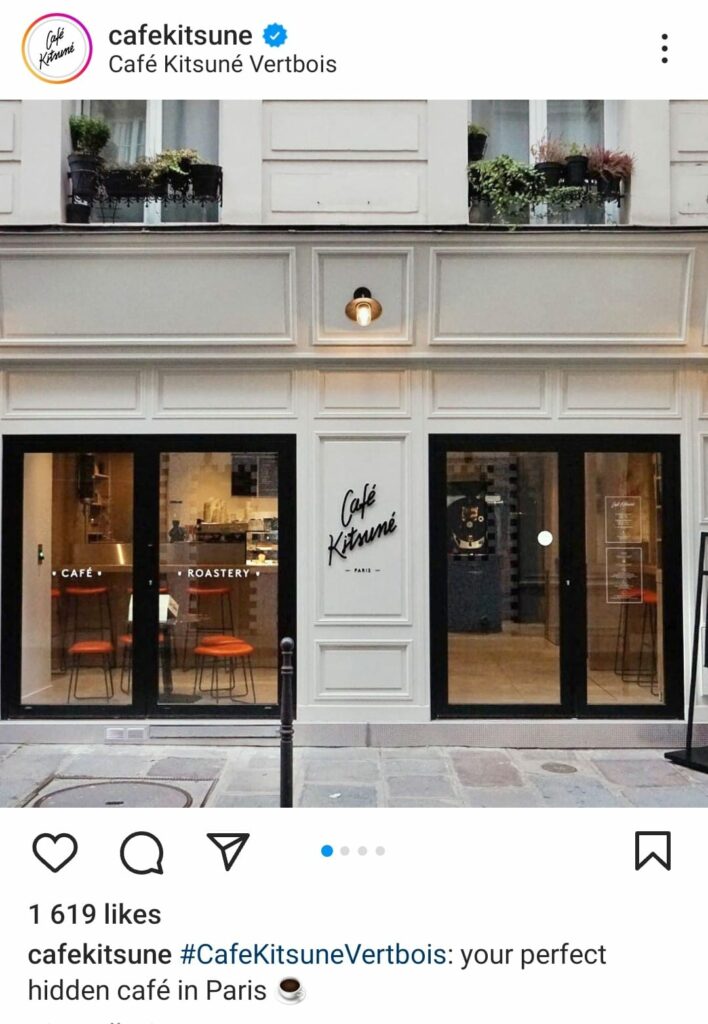
Hyperlocal social media helps brands connect with highly relevant audiences. The smaller the geographic focus, the more likely the content is to feel personal and timely.
By highlighting local landmarks, events, businesses and cultural moments, brands can build trust and familiarity faster. This sense of community often leads to stronger engagement, higher intent and more meaningful interactions than broader location-based targeting.
Another noteworthy advantage of hyperlocal marketing is its potential to lower advertising costs. Implementing a strategy that involves precise audience targeting, local hashtags and geotags, building a referral network and using user-generated content can significantly reduce advertising expenditures.
However, a hyperlocal approach becomes costly when you want to do it across many markets. In this case, it’s best to pick and choose select markets to focus on rather than spreading yourself too thin on multiple hyperlocal strategies.
Quick checklist: Is hyperlocal social media right for this market?
Before committing to a hyperlocal social media strategy, ask:
- Is there a clear audience concentrated in this location?
- Does local context influence buying decisions?
- Are there cultural or regional differences worth addressing?
- Can we support this market with ongoing content, not one-off posts?
If the answer is yes to most of these, hyperlocal social media is likely worth testing.
Strategies that maximize the impact of hyperlocal social media

Benefitting from the full potential of hyperlocal social media marketing requires a strategic approach. Here are a few strategies to maximize the impact of going super local.
Identify the right target audience and understand their interests
Not all hyperlocal audiences are lucrative for every type of business. When identifying specific audiences to target, make sure they have the potential to bring in a decent amount of revenue.
For example, it makes sense for a cafe to target people who live or work in its vicinity, but does it make sense for the hotel next door to target that same audience? Probably not—as the hotel’s audience is scattered around the world at their point of purchase.
Once you’ve identified the right hyperlocal audience, you need to understand their needs. Conduct thorough research to identify your target audience’s demographics, preferences and behaviors. This insight forms the foundation for crafting content that resonates with their specific interests.
See also: International audience research methods: How to reach new markets
Create content tailored to the local audience
Tailoring content is key to capturing the attention of the local audience. Craft messages that reflect the local culture, address specific needs and highlight your business’s relevance to the community. This personalized touch enhances engagement and fosters a stronger connection.
For example, when we worked with phone accessories brand PopSockets on a hyperlocal strategy aimed at people in Berlin, we created content about things to do in the city, cafes to visit and other local trends.
Below is an example of a TikTok post focused on a festival in Berlin:
@popsockets_europe #lollapalooza2023 ♬ I wanna party – ★
Use local hashtags and geotags
You can boost your visibility by incorporating local hashtags and geotags into your social media content.
This practice ensures your posts are discoverable to individuals searching for content related to your area. It enhances your reach within the local community and aligns your brand with local conversations.
See below another example from PopSockets with the hashtag #berlinsummer:
@popsockets_europe #berlinsummer ♬ Indian Summer – HOAX
Partner with local influencers and businesses
Local influencers can serve as powerful brand advocates, introducing your products or services to a wider audience. These partnerships provide access to established local networks, lending credibility to your brand.
You can also create and share content that promotes local businesses in your region. For example, a restaurant can highlight the farms from which it gets its local produce. Doing so has a massive influence on attracting local audiences as, according to YouGov, 60% of consumers worldwide prefer buying food from their own country. This increases to as much as 74% of consumers in Italy, 71% in Sweden and 67% in France and Spain.
The preference for locally produced products has grown across the board in recent years, with a hyperlocal focus having an even greater impact. Tell your local audiences about your efforts in keeping it local—they’ll love you for it!
Participate in local events
Whether it’s industry conferences, charity runs, art festivals, annual fairs or community engagement activities, local events offer a platform to amplify your brand’s presence in local communities.
Choose events that align with your brand and resonate with your target audience. For example, a health-focused store might participate in a local charity run promoting wellness.
Take advantage of your sponsorship by getting the event to highlight your brand as much as possible. Share behind-the-scenes glimpses and promote any special promotions or competitions around the event. This content is valuable for your social media channels, reinforcing your brand’s local involvement.
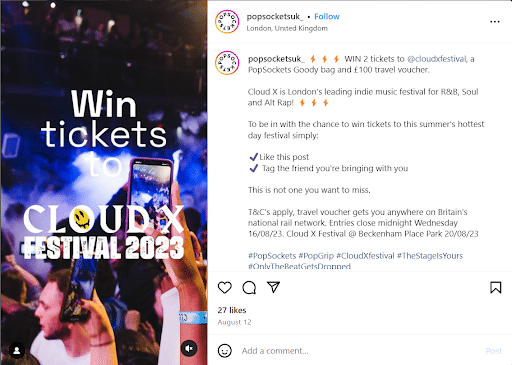
Part of PopSocket’s hyperlocal strategies in London and Berlin was partnering with local festivals, including Cloud X in London and Lollapalooza in Berlin.
Examples of hyperlocal social media content
Here are examples for different types of businesses and the kinds of hyperlocal social media posts they might create:
- Local restaurants:
- Posts: Daily specials with photos of dishes, behind-the-scenes videos of the kitchen and customer testimonials. They can also post about local ingredient sourcing to appeal to community-conscious patrons.
- Events: Announcements for live music nights, cooking classes or tasting events that encourage local engagement.
- Real estate agencies:
- Posts: Property showcases with virtual tours, client success stories and tips for home buyers and sellers in the local area.
- Community focus: Updates on local market trends, infographics on property values in different neighborhoods and features of community events or developments.
- Fitness centers:
- Posts: Member spotlight stories, workout tips and clips from fitness classes showcasing the community and environment.
- Challenges: Posts about fitness challenges or local outdoor fitness events, encouraging community participation and building local partnerships.
- Boutiques and local retailers:
- Posts: New arrivals with high-quality images, staff picks and customer reviews highlighting personal shopping experiences.
- Promotions: Flash sales or discounts exclusive to followers and posts about local collaborations with other businesses.
Is a hyperlocal social media strategy suitable for your brand?
Hyperlocal social media can be a powerful way to build relevance and trust in specific markets. While it’s most effective for brands with a physical presence, global brands can also benefit when they apply it selectively and strategically.
If you’re exploring how hyperlocal social media could fit into your global social strategy, we’d be happy to help you assess where it makes sense and where it doesn’t. Get in touch to see if you qualify for a Free Content Consultation.
Download our ultimate guide to managing multilingual social media platforms:

Frequently asked questions about hyperlocal social media
What is hyperlocal social media?
Hyperlocal social media targets people in a very specific geographic area, such as a neighborhood or district. It uses location-based content and targeting to reach audiences who are nearby and more likely to take action.
How is hyperlocal social media different from local social media?
Local social media targets a city or region. Hyperlocal social media focuses on much smaller areas, using precise location targeting and highly contextual content to feel more relevant and timely.
Can global brands use hyperlocal social media effectively?
Yes. Global brands can use hyperlocal social media by focusing on select markets where local context matters, while keeping strategy and brand direction centralized.