


Successful marketing comes down to one thing: understanding your consumer.
That understanding is shaped by culture, values and local context. Culture has a direct impact on how people interpret messaging, engage with brands and decide whether to buy. That’s why cultural marketing plays such a critical role in international marketing.
As brands expand into more markets and publish content at greater speed, the challenge isn’t just scale. It’s staying culturally relevant while doing so. This is where cultural marketing, supported by AI and local expertise, becomes essential.
Keep reading to learn what cultural marketing is, how it differs from cross-cultural marketing and how global brands adapt their strategies across regions.
See also: Localization strategy: Your guide to engaging a global audience
What is cultural marketing?

Cultural marketing is the practice of creating content that speaks directly to a specific cultural group, taking into account how people think, behave and make decisions in that market.
This goes far beyond translation.
Cultural marketing considers:
- Local customs and traditions
- Social norms and values
- History and lived experiences
- Legal and political context
- Lifestyle and communication styles
For example, the Portuguese beer brand Super Bock sponsors local cultural events during the June festival season in Portugal, reflecting cultural marketing in action. The brand aligns itself with moments that already matter deeply to its audience.
Modern cultural marketing often combines human insight with AI-supported research. AI can help analyze trends, sentiment and performance across markets, but cultural relevance still depends on people who understand local nuance and context.
If you need help with adapting your content to local audiences, download our free worksheet below:

What about cross-cultural marketing?
A cross-cultural strategy reflects the ability of a brand to cross over to multiple cultures. Cross-cultural marketing targets the similarities across different cultures. It looks at what is common among different ethnic groups and uses those similarities to devise a suitable cultural marketing strategy.
A recent example is Gap’s 2025 “Better in Denim” campaign. The brand paired a familiar global format with fresh cultural relevance by featuring Katseye, choreography designed for social platforms, and the well-known track “Milkshake” by Kelis.
The campaign centers on individuality and self-expression, ideas that translate easily across markets, while tapping into a group and style that feels timely to a younger, global audience. By combining recognizable cultural cues with modern social-first execution, Gap created a message that resonated widely without relying on heavy localization.
See also: Translation vs. localization: What’s the difference and why should you care?
Why is culture important in international marketing?
International marketing means speaking to people with different backgrounds, languages and expectations.
Ignoring cultural differences can lead to poor performance or even brand damage.
Here’s an example of how relevant culture is when launching into international markets:
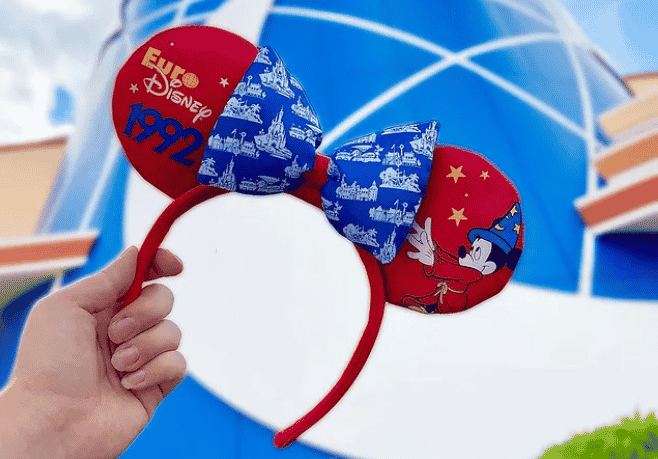
Euro Disneyland—now Disneyland Paris—was plagued by cultural clashes after its launch in Paris in 1992.
One of their mistakes was trying to localize the park to a “European culture.” Starting with calling it Euro Disneyland—where there is no one European culture. And launching in France, a country known for being fiercely protective of their own culture and skeptical of imports from other nations, made it even more essential for them to respect French culture in particular. Locals called the transplantation of Disney’s dream world an assault on French culture. Some even referring to it as “a cultural Chernobyl.”
Only once they renamed the park to Disneyland Paris, relooked how they serve food—adjusting meal times and serving alcohol—and restructuring ticket prices for day visitors, as French people aren’t interested in vacationing multiple days at a theme park, did they slowly start to turn a corner.
Cultural localization is particularly important in Europe, where each country is unique. During a conversation on The Content Mix podcast, Allan Formigoni, content and email marketing manager at WeTravel, spoke about the challenges they faced when launching into European markets:
“Each market has a different way of thinking, and they behave differently and have their own buyer journey for the same product. How they make decisions, what they do, what influences them, who influences them, and their price perception is completely unique in each country.”
Culture is what molds an audience and determines why, or why not, they buy into your brand. The quickest way to succeed in a new region is to adapt your entire strategy—not just marketing—to meet the local cultural standards and perceptions.
Today, brands can surface cultural risks earlier using AI-driven research and social listening tools. However, insight alone is not enough. Local experts are still essential for interpreting that data and acting on it appropriately.
How do marketing strategies differ across different cultures?

There are cultural differences from country to country and usually also significant cultural variations among sub-cultures within the same region. These variations may include different languages/dialects, norms and values.
On a global scale, what works in the Western world may not resonate in Asia or the Middle East. Similarly, how you market in the US may not work in the UK.
On a local scale, how you market towards audiences based in big cities versus rural areas may also differ. There are also complex cultural norms and values between generations, various social groups, races and genders.
“You have to be aware of different important dates in each culture. For example, Father’s Day is super relevant in Austria but not so relevant in Germany. It helps to have a person who knows these important days and when it’s necessary to create relevant content for them.” – Adriana Carles, head of content and social media at Ladenzeile
See also: US vs. German marketing content: Why localization is key
Various cultures also respond to different forms of messaging. For example, Germans and Americans resonate more to supportive facts, while the French and Italians tend to respond more to imaginative messaging. The Japanese prefer indirect messages and are turned off by hard sales techniques. They also respond well to messages that stress tradition and family. Which is why the KFC Christmas campaign in Japan received such a strong response.
What started as a marketing campaign in 1974 turned into an estimated 3.6 million Japanese families enjoying KFC on Christmas. KFC has become a nationwide tradition in a country that doesn’t traditionally celebrate Christmas.
Cultural marketing today is a system, not a tactic
Cultural marketing is no longer about one-off campaigns. It’s an ongoing system that combines insight, execution and iteration across markets.
Ten years ago, cultural marketing focused heavily on translation and visuals. Today, it includes:
- Real-time responsiveness
- Local platform behavior
- Community management
- Sensitivity to social and political context
Speed has increased, but the margin for error has become smaller. Brands are judged not just on what they publish, but on how they respond to local moments.
See below ana example of a cultural post on Too Good To Go’s Norwegian Instagram account. “Matredding” (food saving) is a significant movement in Norway involving consumers, businesses and non-profit organizations to reduce the country’s substantial food waste.

Why you need to work with local experts
As you can see, there are many factors to consider when incorporating cultural localization into your content strategy. It requires heavily investing in local audience research, consulting with locals and working with a cultural marketing agency to get “under the skin” of the local culture.
See also: Native language marketing: The benefits of local knowledge
At VeraContent, we’ve found that working with local community managers is the best way to not only create the most culturally relevant content but also stay on the pulse of what is currently happening in each region.
For example, during the devastating wildfires in Turkey in 2021, our local community manager working on the Turkish account for one of our clients advised that we pause our planned content. And instead, create and share a post showing our solidarity with the people of Turkey.
It’s so important to create relationships with local community managers that you can trust to advise you on what content will best resonate with your local audiences.
The benefits of cultural localization as part of your global content marketing strategy

“When you’re trying to connect with an audience, it’s important to speak to them in a language that feels comfortable to them.” – Kyler Canastra, head of business development at VeraContent
Culture really is the driving force behind consumer behaviors. By giving your marketing a culturally relevant spin, you’re better able to tap into the emotions of your local audience and the “why” behind their purchasing decisions. You’re not only giving them a reason to notice you but also to develop a relationship with your brand.
Here are a few more benefits of cultural localization in international marketing:
- It helps local audiences understand your products or services
- Creates stronger customer experiences by creating content that better fits the intended market
- Avoids offending potential customers
- Improves engagement rates and content relevance in local markets
- Supports conversion by aligning messaging with local decision drivers
Become a local favorite with cultural localization
The goal of global expansion is not just visibility. It’s becoming a trusted local presence.
Brands that succeed communicate like locals do while staying consistent at a global level. Cultural marketing, supported by AI and guided by local experts, makes this possible.
At VeraContent, we combine AI-supported insights with trusted local community managers in each market. This gives brands a clearer view of what’s working, what needs adjusting and how cultural signals differ across regions, without losing consistency at a global level.
Learn more about our content localization services and get in touch with us to find out how we can use cultural marketing to make your brand the local favorite.