



Effective global marketing reaches international audiences in a way that feels natural, relevant and culturally aligned. Today, that requires more than translating campaigns. It requires real cultural insight, informed local decisions and a consistent global brand identity.
While many of the strongest examples come from multinational brands, companies of any size can apply similar principles to improve performance across markets. Below, we share updated insights and six refreshed examples of global marketing strategies to inspire your approach.
What is strategic global marketing?
Before we dive into our global marketing strategy case studies, let’s first address a crucial question: What is global marketing?
At its most basic level, strategic global marketing means planning, producing, placing and promoting your brand name across borders. Creating an effective global marketing strategy requires thoughtful international audience research, insight and innovation. There are also many different international marketing ideas and methods—from localized websites to local social media accounts.
Global marketing today also includes elements that have become essential in the last few years:
- Local creator and community engagement strategies
- Multilingual SEO
- AI-assisted content workflows paired with human cultural review
- Adaptation for region-specific platforms
- Governance systems that keep brand identity consistent across markets
In one of our podcast interviews with Mário Costa, marketing and communications director at MANZ, he explains:
“Your core values and brand identity should be the same across all markets. Having a global strategy when you work in so many different countries is key; without it, you lose the identity, experience and sense of belonging to your brand. That’s why it’s very important to have a global strategy , and then adapt it to different realities.”

Two of the most common strategies for global marketing are standardization and localization:
- Marketing standardization emphasizes using a standardized brand strategy across borders to create a consistent brand experience worldwide.
- Marketing localization takes a more personalized approach to each international market’s strategy, honing in on cultural differences.
Which approach is right for your business depends on the nature of your brand, your ultimate goals and the specific markets you want to reach.
In short: global multilingual marketing is all about understanding the similarities, differences and nuances of your target markets and incorporating them into your brand’s content strategy.
See also: 5 ways to ensure a quality localization – even if you don’t speak the language
Benefits of global marketing strategies

A strong global marketing strategy creates lasting advantages, including:
- Better insights: Working across markets gives you a broader view of consumer behavior and emerging opportunities.
- Business growth: You can reach customers you would never reach through domestic marketing alone.
- Clearer brand identity: Understanding how your brand translates across cultures helps refine your positioning.
- Higher trust and relevance: Localized content reflects the audience’s reality, which improves engagement and long-term loyalty.
“People are looking for content that resonates with them and that they can really connect with. When you use local stories and people in your marketing, your audience sees a reflection of themselves—and that’s what makes global marketing campaigns successful.” – Kyler Canastra, former Head of Business Development at VeraContent
See also: Translation vs. localization: What’s the difference and why should you care?
6 global marketing strategy examples
One of the best ways to learn is by example, so we’ve put together a few of our favorite successful global marketing strategies implemented by recognizable international brands.
Let’s dive into our global marketing strategy examples, starting with Airbnb’s strategic use of global social media campaigns.
See also: Global digital marketing trends to look out for in 2026
1. Airbnb: Creating a global message on social media
Social media platforms are one of the most effective ways to reach a global audience, and Airbnb was undoubtedly aware of this when they launched their “Made Possible by Hosts” global marketing campaign in 2021.
In response to the travel industry’s difficulties during the pandemic, Airbnb created a series of films with footage from photographers staying at real Airbnb properties. The realness and relatability of this content sparked a desire to travel among their followers.
These strategic videos were shared as YouTube content and promoted on Airbnb’s various social media channels—a few of them reaching millions of views. Airbnb successfully honed in on the universal urge to travel, see the world and experience new places. In return, the brand has seen a positive response and an increase in traffic to their website.
This campaign is a perfect example of the power of global social media campaigns to reach international audiences on a local level:
“You need to really connect with the locals in the market you’re trying to reach—whether they’re your colleagues, customers or people in your network—to make sure that the strategy you’re creating applies to their reality. Otherwise, what you’re doing is not useful at all and it won’t work.” – Mário Costa, Portugal-based marketing and communications director at MANZ.
In 2023, Airbnb launched its latest global campaign: “Get an Airbnb.” The animation-style ad is a direct knock on hotels, the brand’s biggest competitors. The ad was initially launched in the US and Canada, and later in the UK, Australia, France, Germany, Spain, Italy, Brazil, Mexico, South Korea, Switzerland, Belgium and the Netherlands. It works as the message is universal—Airbnbs across the globe are competing against hotels.
Tip: Local voices make global campaigns stronger. Involving local creators and communities ensures the message feels authentic across markets.
2. Wise: Content creation for all target markets
Wise (formerly TransferWise) continues to set a high standard for content localization. Operating in over 160 countries and 40 currencies, the company builds trust by offering highly specific, practical content for each market.
Wise maintains:
- Market-specific product comparisons
- Country-specific guides
- Currency explanations
- Local regulations and transfer conditions

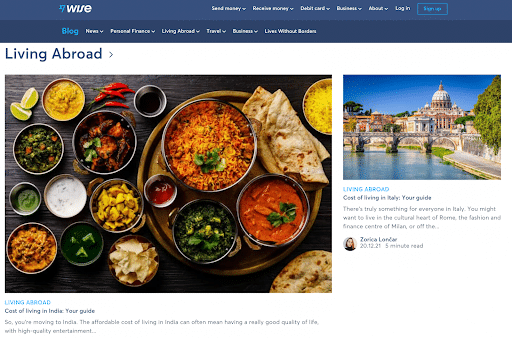
Wise is aware that their customers live across the globe and all have unique needs and desires. So, their highly localized strategy is a great way to create trust with their customers while building a reputation for themselves as an authority in their industry.
If your brand has the potential to help clients in different countries, creating customized blog content for different regions is a great way to establish your authority on a subject matter and gain brand reputability.
When producing blog content, be mindful to only create content that is useful:
“Stop producing content just for the sake of producing content. I think companies should definitely invest more time in long-term audience building.” – Allan Formigoni, Portugal-based content and email marketing manager at WeTravel
3. Spotify: Hyper-personalization for every market—and every user
Spotify’s global success is rooted in personalization. Their platform adapts to both:
- Regional culture (local playlists, country-specific podcast charts)
- Individual behavior (Discover Weekly, Daily Mix, Wrapped)
Spotify Wrapped, in particular, has become one of the world’s most successful global-local campaigns. Each year, users receive a personalised summary of their listening habits, while each country gets tailored social content reflecting regional trends, humour and musical styles.
Spotify’s recent expansions into niche language podcasts, collaborations with local creators and region-specific content formats demonstrate their continued investment in cultural nuance.
See below examples of their different billboards around the world for their Spotify Wrapped 2025 campaigns.


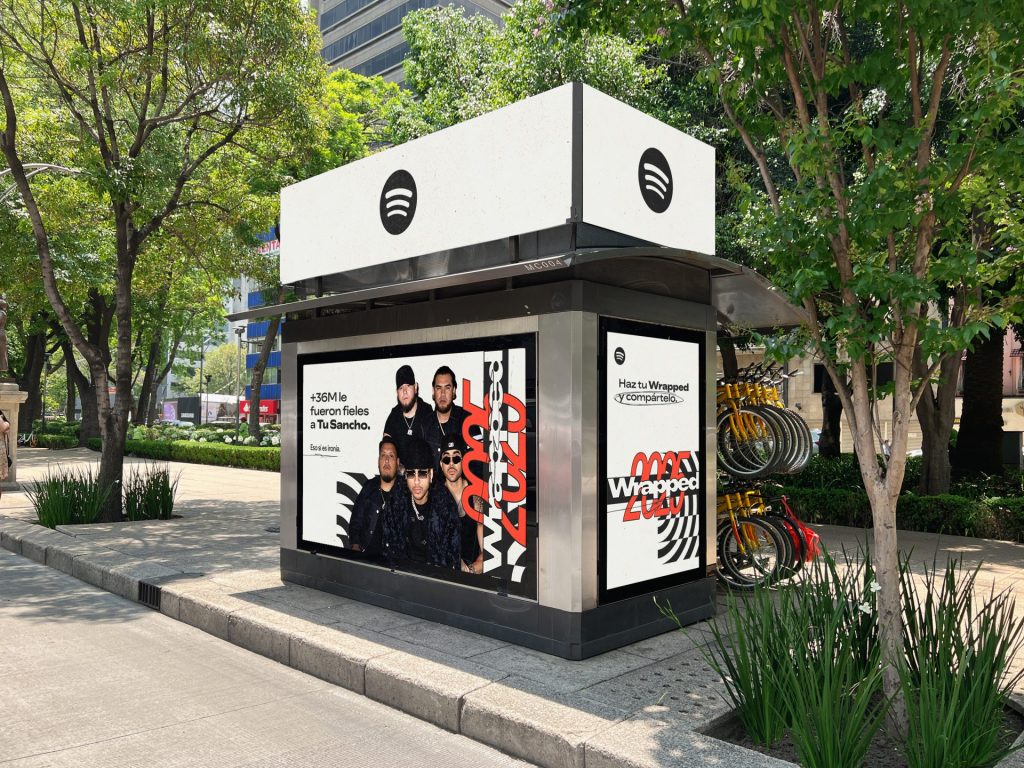
By interpreting data about your users and understanding cultural nuances in your target markets, you can create trust with potential users that may not yet be familiar with your brand.
4. IKEA: The perfect combination of standardization and localization
In IKEA’s global marketing strategy case study, you’ll find a curated combination of standardization and localization. IKEA has branded itself as aesthetic, affordable and, above all, Swedish. By embracing the uniqueness of their Scandinavian roots, IKEA has created a brand identity that is emblematic of the company.
However, they also take the time to hone in on local nuances when necessary. IKEA is always careful to blend Swedish and local aesthetics in their catalogs. For example, they show larger kitchens in their US catalog images than in their Chinese catalog images, where kitchens and living spaces are generally much smaller.


There are currently IKEA stores operating in 59 countries and, while a big part of their global marketing strategy is embracing their trademark Swedish design and look, they are careful to make cultural adjustments when necessary.
To follow in IKEA’s footsteps, first create a strong global brand identity, but be prepared to make changes in your marketing strategy when cultural differences arise.
See also: How to localize your content for more effective marketing in Europe
5. OverDrive: Building localized reader communities across markets
OverDrive partnered with VeraContent to grow Libby’s presence in key English- and German-speaking markets. Because library collections and access vary by region, Libby needed content that felt specific to each audience—not repurposed from other markets.
We built a team of native-speaking community managers in the UK, DACH and Australia/New Zealand to create fresh, localized content five times per week for each account. This included reels, carousels, educational posts and trend-driven content designed to spark conversation and strengthen reader communities.
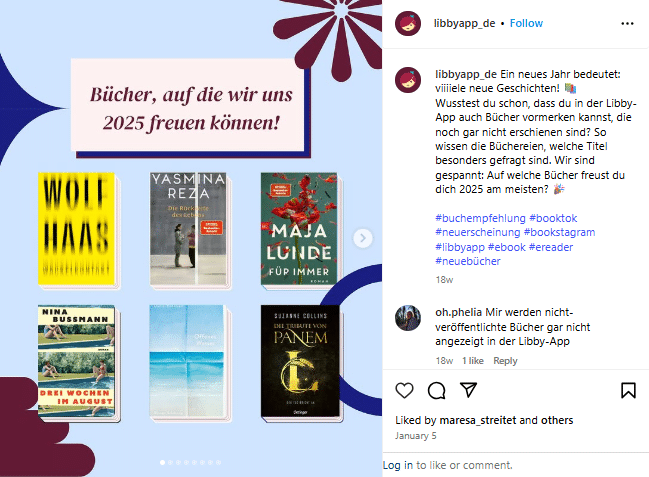

The results were significant:
- 5x follower growth in Australia and New Zealand
- 153,000+ organic users reached in ANZ
- 56,000+ reached across Germany, Austria and Switzerland
- 192,900+ reached in the UK
By adapting content to local reading habits, libraries and trends, Libby has built engaged communities that feel personal to each market.
Learn more about how our team helped OverDrive achieve this.
6. Too Good To Go: Prioritizing community building

We’ve covered the big global brands, now for a global marketing example from a small brand: Too Good To Go.
Too Good To Go, a certified B Corp social impact company that connects users with partner stores to rescue unsold food and stop it from going to waste, targets global consumers by prioritizing community building on social media.
As a global brand, Too Good To Go prioritizes localization to engage its diverse user base effectively across channels. This strategy, emphasized on Instagram and Facebook, aligns with the goal of reducing global food waste and building trust. Meanwhile, TikTok and X (formerly Twitter) focus on English content for broader reach. With 17 distinct Instagram and Facebook pages, Too Good To Go tailors content for specific audiences.
The role of AI in global marketing
Finding the right strategies for global marketing
Strategies for global marketing range from standardization to localization and include everything in between, and choosing the right strategy for your brand depends on various factors.
Your current brand positioning, target markets and long-term goals should all be considered when designing a global marketing strategy.
Fortunately, you don’t need to approach your global marketing strategy alone. You might partner with a global social media agency that can provide you with insights and expertise to harness digital platforms and enhance your international presence. At VeraContent, you’ll find a team of professionals trained in tailoring your global marketing strategies for brands of all shapes and sizes. Reach out today to learn more about what we do and whether you qualify for a Free Content Consultation.
Before you design your global marketing strategy, download our free worksheet and learn how to adapt your content to local markets.
