



Whether you’re a small startup or a global brand, your social media strategy plays a direct role in how your business grows across markets. But managing social media at a global level brings a unique challenge. You’re speaking to audiences who live in different regions, use different platforms and respond to content in different ways.
So how do you scale your presence without losing relevance?
This guide breaks down five essential things to know when managing a global social media presence, including when it makes sense to stay global and when it’s time to go local.
Here’s our recap:
What is global social media?
68% of the world’s population uses social media. That’s 5.66 billion people scrolling through social platforms for an average of two hours and 23 minutes daily. That makes social one of the most powerful channels for reaching international audiences.
Global social media involves creating globalized accounts on each relevant platform—such as Facebook, X (Twitter), Instagram, LinkedIn and TikTok—to target international audiences. This differs from localized social media, where brands create local accounts that target regional audiences.
Localization of social media content goes beyond linguistic translation—it’s about authentically capturing the pulse of local communities. By tailoring content to match the unique characteristics, cultures and preferences of different regions, brands can build stronger connections with their target markets.
If you’re sticking with a global social media presence, here are five essential things to know.
See also: Setting up design workflows for global social media accounts & How to use Meta Business Manager for global accounts

Essential #1: Platform preferences and usage vary across regions
Different regions have preferred social media platforms based on market location and demographic nuances.
For example, while Facebook maintains a strong global presence, its absence in China has led to the rise of platforms like Weibo and WeChat. Similarly, Germany’s job-seekers favor Xing over the more globally recognized LinkedIn, showcasing the significance of local preferences.
While Facebook and Instagram remain popular in Europe, fluctuations in user numbers indicate a changing landscape. It’s common for platforms to experience growth and decline, making it essential to adapt and evolve your strategy to stay relevant continuously.
It’s also important to keep an eye on emerging platforms. For example, WhatsApp’s growth in Europe indicates potential opportunities for brand engagement on the platform. While primarily known for messaging, WhatsApp can be used for customer service expansion.
Your target audience’s age range also plays a role in platform selections. Younger demographics often gravitate towards visually engaging platforms like TikTok and Instagram, whereas older age groups tend to be more active on Facebook.
What this means for global brands:
- Choose platforms based on audience behavior, not assumptions
- Monitor regional shifts regularly, not once per year
- Use AI analytics to spot changes early, but validate decisions with local insight
See also: How to create a solid multilingual social media strategy
Essential #2: Culture shapes how content is received

When managing a global social media account, it’s important to avoid getting caught up in posting content with specific cultural references. They might not click with everyone.
Instead, think broad and universal. You need to find that sweet spot where your content speaks to everyone without stepping on anyone’s toes. Focus on themes everyone can get behind—emotions, stories or experiences that resonate worldwide.
The goal? Connect with people from all walks of life. Keep it positive, relatable and respectful. Skip the stereotypes or hyper-local stuff that might leave some scratching their heads.
Understanding and celebrating the beautiful tapestry of cultural differences while aiming for a global appeal is the way to go. It’s all about spreading positivity and building connections, no matter where your audience is from.
The takeaway:
Global content should feel open enough to travel, while still leaving room for local teams to adapt tone or context when needed.
Essential #3: Not every event or trend travels globally

One of the biggest challenges in global social media is knowing what not to post.
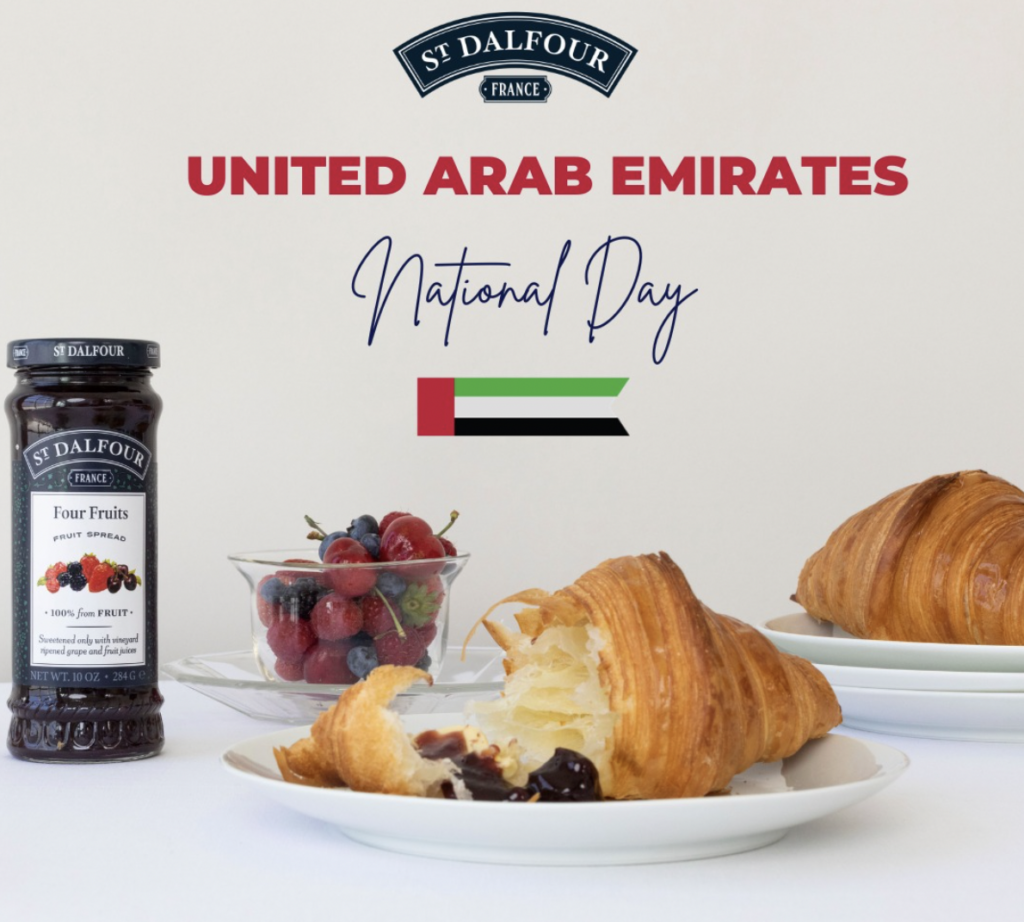
While events like New Year’s Eve or Valentine’s Day are widely recognised, others vary significantly by market. Even shared holidays like Mother’s Day or Father’s Day often fall on different dates and carry different cultural meaning.
The same applies to trends. A format or meme gaining traction in one country may fall flat elsewhere or never appear at all.
Best practice
- Use global calendars for major moments
- Validate trends locally before amplifying them
- Allow regional flexibility for timing and execution
This approach helps brands avoid irrelevant content while still maintaining consistency.
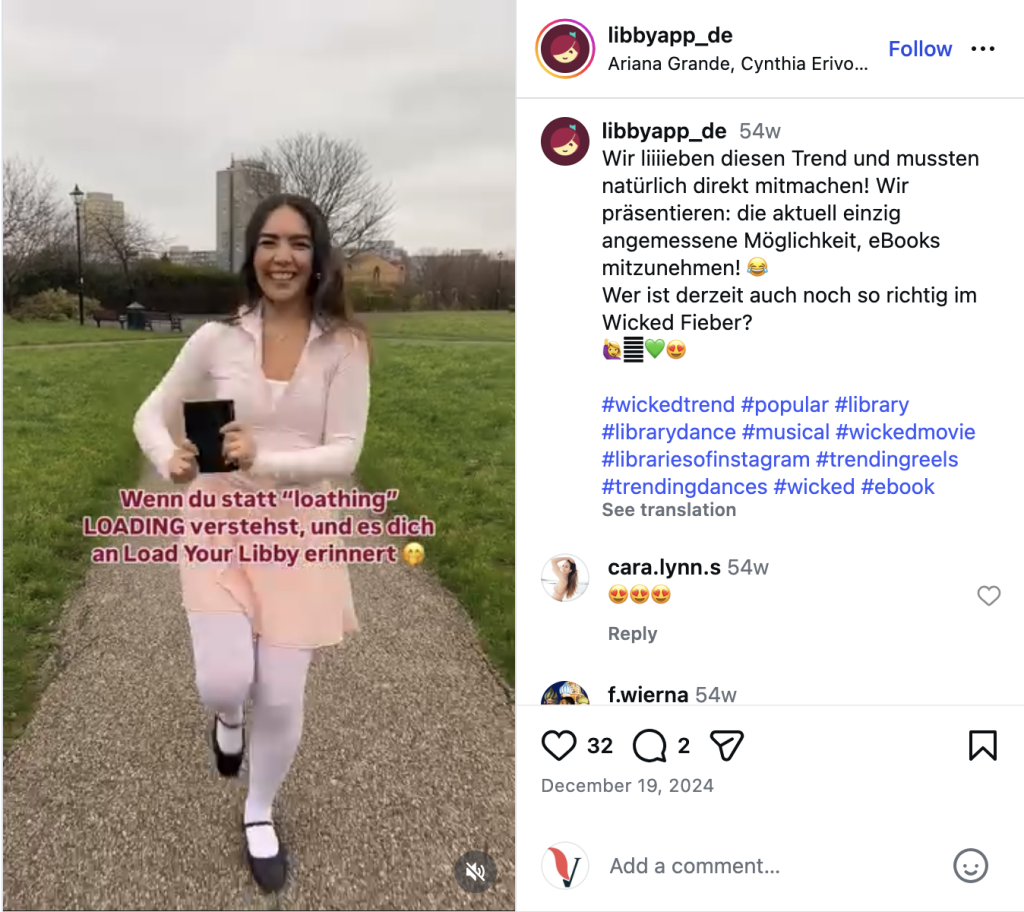
Here’s how we adapted the Wicked trend on social media for Libby’s German Instagram account:
Essential #4: Timing, time zones and context matter
Posting at the wrong time can undo even the strongest content.
Global social media teams must account for:
- Unexpected global or regional events
- Multiple time zones
- Regional work schedules
- Local public holidays
Tools like Buffer Analyze, Hootsuite AutoSchedule and SproutSocial help you pinpoint those prime hours in different time zones, letting you schedule posts when they’ll get the most views.
It’s equally important to stay tuned in to what’s happening globally, especially during natural disasters or crises. Awareness of significant events helps adjust your content strategy, ensuring your posts are respectful and considerate. Acknowledging and responding appropriately during these times shows empathy and support, fostering a sense of community among your diverse audience.
It’s about balancing timely, engaging content while being socially aware and responsible in the global conversation. A good international social media manager will know how and when to post certain localized posts.
“To produce content that connects with people, you have to be tuned in to what’s going on in the region. For example, something could happen tomorrow that makes a certain post inappropriate. So it’s super important to plan, but also to be versatile in your approach.”
– Kyler Canastra, head of business development at VeraContent
Essential #5: Not all influencers connect with global audiences
While local influencers can hold sway in their local or regional circles, their appeal might not transcend borders. What works in one place might not fly in another. Cultural nuances, language, and even humor vary, making it tricky for every influencer to strike a chord with a diverse global audience.
For global social media strategies, brands should look for:
- Creators with multicultural audiences
- Influencers who adapt content per region
- Strong engagement, not just follower count
Not every influencer has that global spark, but the ones who do? They’re the real game-changers in the global influencer game.
See also: Global influencer marketing strategy: 3 key insights
Should your brand go global, local or hybrid?

Incorporating global social media into your marketing strategy can absolutely lead to growth, but it’s crucial to figure out the right approach for your business.
When global social media works:
- Expanding your reach: It’s perfect if you’re aiming to break into multiple markets, connect with diverse audiences and make your brand known globally.
- Uniform brand image: If you need a consistent brand image across different regions, a global approach keeps your message steady and often cuts down on marketing costs.
When going local makes more sense:
- Niche markets: If your product or service is tailored to a specific region’s preferences, a local strategy could nail it.
- Cultural relevance: Sometimes, a global campaign might not hit the right notes universally. Localized content with cultural references resonates better with regional audiences.
The sweet spot:
- Combination strategy: Some brands use a combo of both. Using global strategies to maintain consistency and local ones for targeting specific markets often brings the best of both worlds.
Ultimately, deciding between a global or local social media strategy boils down to your brand’s nature, audience and goals. For those seeking a wide impact and consistent brand image, global might be the go-to. But if you’re into niche markets and cultural specifics, a local approach might bring you closer to your audience.
Mixing and matching both strategies could just be the secret sauce for a killer marketing game plan.
We dive deeper into how to decide whether to go global or local in this blog post: Global vs. local social media accounts: How many do you need?
And, once you’ve decided how many accounts you need, check out: How to consolidate global social media pages: centralized vs. local approach
Download our free guide on how to manage multilingual social media accounts below:

Elevate your global presence with VeraContent
Partnering with the right global social media agency will allow you to scale your business internationally, without any stress. Though just one point of contact, you’ll have access to our team of vetted linguists and community managers worldwide.
Our insights into regional trends, ability to craft culturally sensitive content in multiple languages, and understanding of the most effective platforms can significantly enhance your brand’s global presence.
To maximize your brand’s potential on the global stage, reach out to VeraContent today and enquire about our marketing translation services. You could qualify for a Free Content Consultation.