



If you’re looking to strengthen your brand’s global presence, hiring an international social media manager is key.
But what does an international social media manager do, and why is the role becoming increasingly important for global brands? This guide explains the role, benefits, and real-world examples from our work at VeraContent.
What is an international social media manager?
An international social media manager is responsible for planning, adapting and overseeing a brand’s social media strategy across multiple countries, languages and cultural contexts.
Also referred to as global social media managers, these professionals balance global consistency with local relevance, ensuring the brand feels unified while still resonating in each market.
Many international social media managers combine:
- Global social media accounts for broad brand messaging
- Localized accounts for priority regions
As a brand expanding internationally, you can:
- Hire an international social media manager in-house
- Outsource to a global social media agency
- Or use a hybrid model combining internal strategy with external execution
We often see the hybrid approach work best, where an internal manager owns strategy and alignment while an agency supports day-to-day content creation, localization and community management.
See also: Why brands invest in hyperlocal social media strategies
Why you need an international social media manager
Here’s how global brands benefit from having an experienced international social media manager in place.
1. Increased brand visibility and reach across borders

Creating more content doesn’t necessarily result in increased visibility. You need the right type of content paired with a global social media strategy that gets the most relevant people to see it.
International social media managers are experts at crafting strategies that resonate across diverse global markets. They understand regional nuances, language preferences and cultural differences, helping your brand reach and engage with audiences worldwide.
It’s also important to maintain a unified brand across markets. Having one person in charge of overseeing all international social media strategies ensures that, despite local adaptations, your brand’s core values and message remain coherent and uniform across all global markets.
See also: Social media translation: Best practices for global brands
2. Cultural sensitivity and localization
When targeting an international audience, you need someone who understands what content suits a global audience and what needs to be localized. People have different ways of living, communicating and understanding the world—largely influenced by their culture.
Understanding these differences and creating content that respects and aligns with local customs, traditions and values is essential. This sensitivity helps avoid cultural faux pas or misinterpretations that could negatively impact your brand’s image.
“Multicultural marketing is more than just words. It’s connecting with people over their region, cultures, shared experiences and relationship with language. Localization shows that you understand these aspects of language and the human experience. Your marketing will be more successful when your texts are localized—and your audience feels heard and understood.”
– Scott Rose, Project Manager at VeraContent
International social media managers are also well-versed in global social media trends, which allows them to integrate current cultural and social trends into your brand’s content strategy—keeping your brand fresh and relevant.
See also: Cultural marketing: Going beyond simple translations
Beyond cultural sensitivity, content must also be localized from a logistical standpoint. For example, sometimes posts include specific details that need to change in each region, like currencies, locations or links to regional websites. The last thing you want to do is send audiences on your global social media page to your French website.
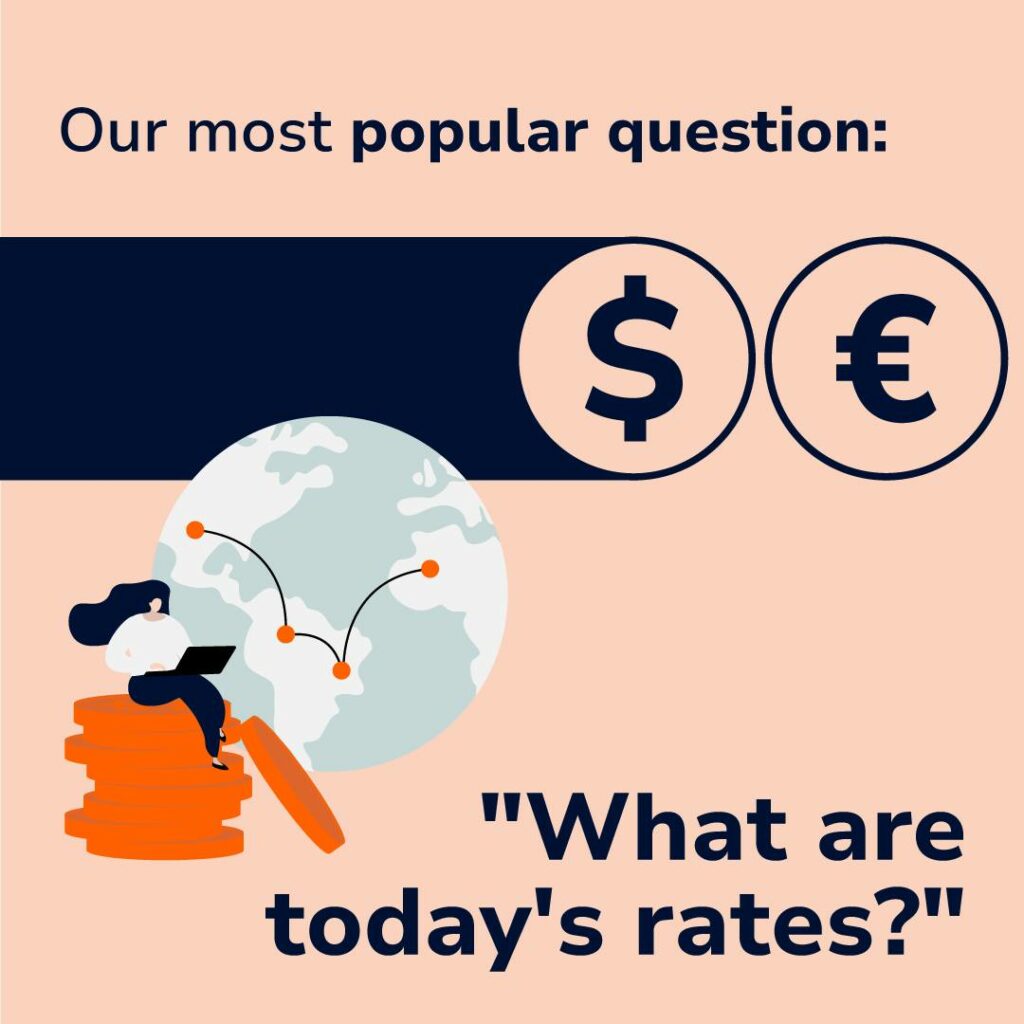
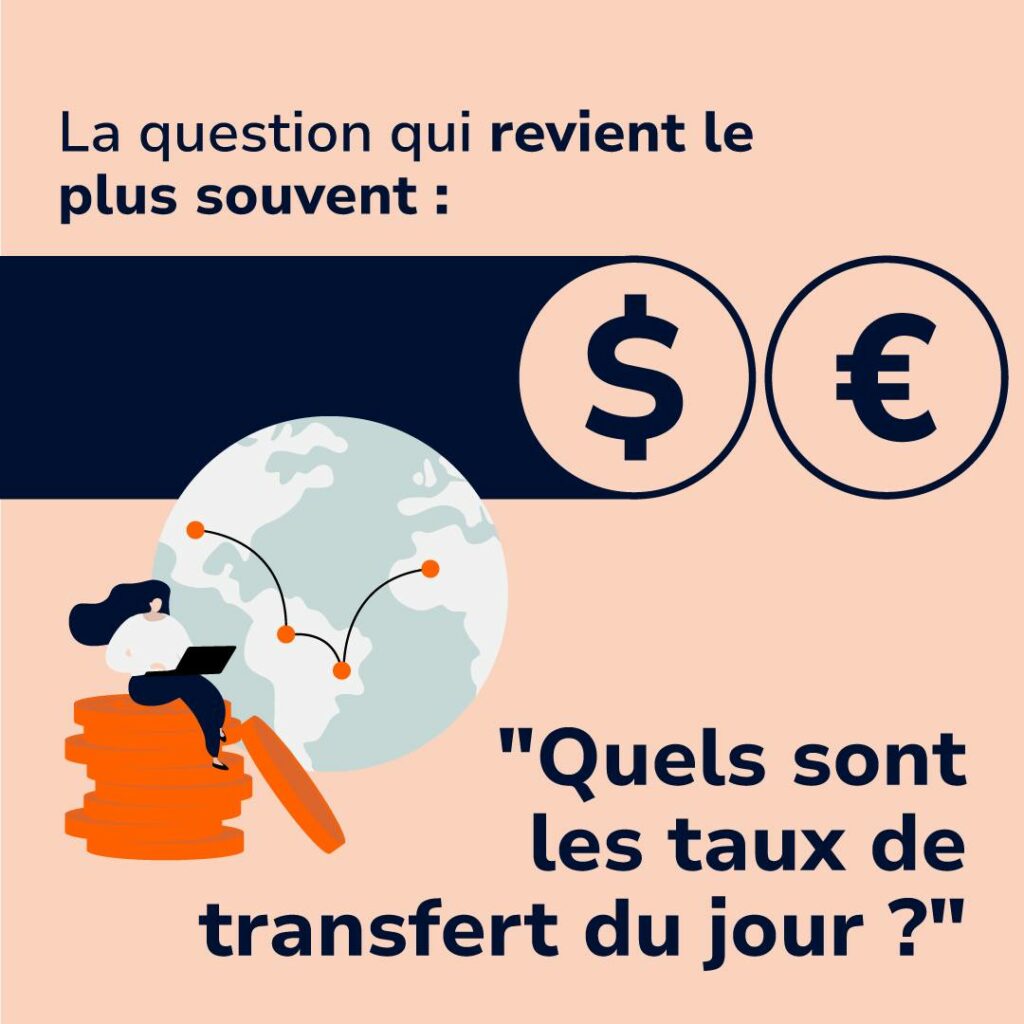
An example of a Facebook post on Ria Money Transfer’s global page (left) and French page (right). The caption on the global page’s post includes a link to the brand’s global FAQ page, while the caption on the French post includes a link to the French FAQ page.
3. Increased engagement and community building
According to HubSpot’s Global Social Media Trends Report, 90% of social media marketers say building an active online community is critical for success. The same research found that one in five social media users joined or participated in an online community in the previous three months.
Building global communities requires local interaction.
International social media managers:
- Adapt content formats for regional behavior
- Tailor engagement strategies per market
- Manage comments and messages in local languages
VeraContent client example:
We support Too Good To Go with community management in five localized markets: the Netherlands, Belgium, Norway, Denmark and Sweden. To do this, we’ve assembled a team of native, locally based community managers to encourage more engagement on their localized social media accounts. Our community managers interact with local audiences on Instagram and Facebook and create engaging and interactive content on Stories.
Community building forms a key part of Too Good To Go’s growth strategy, and this consistent audience engagement helps them spread their message of reducing food waste while also building local communities.
4. Crisis management and risk mitigation
An international social media manager is equipped to mitigate risks and handle crises efficiently in the event of cultural misunderstandings or potential controversies arising from global campaigns.
Social media is incredibly powerful in crisis management. However, it is just as powerfully damaging if not managed well. In the aftermath of a crisis, an experienced social media manager can implement strategies to rebuild trust and credibility, assuring audiences in affected markets that the brand values their perspectives and concerns.
“Most companies spend a lot of time on disaster and recovery plans and maybe not as much on a crisis communications plan. But at the speed of social media, that’s a very risky move.”
– Leigh Dow, CEO of 48 West
This role becomes even more important as global campaigns are surfaced through AI-generated summaries and shared across platforms beyond a brand’s direct control.
International social media manager: roles and responsibilities
This position involves a range of responsibilities to manage a brand’s social media strategy internationally, including:
- Global strategy development: Creating a multilingual social media strategy that caters to different international markets. This includes understanding cultural nuances, regional preferences and market trends to create engaging and effective campaigns.
- Content localization: Adapting and creating content that resonates with diverse audiences in various countries. This involves adjusting language, tone and cultural references to ensure content is relatable and relevant to each market.
- Audience engagement: Managing interactions and building relationships with diverse communities across different social media platforms. This includes responding to comments and messages and actively engaging with users to build a strong online community.
- Campaign management: Planning, executing and monitoring social media campaigns tailored to specific regions or global initiatives. This includes managing advertising strategies, influencer partnerships and collaborations on an international scale.
- Analytics and reporting: Using data analytics tools to evaluate the performance of social media campaigns in different regions. This helps measure key performance indicators and refine strategies to optimize content and campaigns.
- Coordination with local teams: Collaborating with regional or local marketing teams to ensure social media strategies align with broader marketing initiatives while adapting to local preferences and trends.
- Staying informed about global trends: Keeping updated with emerging social media trends, platform changes and cultural shifts across the globe.
- Language and cultural understanding: Being multilingual or having access to language expertise and cultural insights in various regions to effectively communicate and tailor content for different audiences.
“For any multilingual marketing campaign, the core messaging may be the same, but that doesn’t mean it can be transmitted in the same way across different languages and markets. Understanding the pragmatic nuances among the languages in which we work, particularly in a European setting, requires expertise and is something we deal with daily at VeraContent.”
– Kyler Canastra, Head of Business Development at VeraContent
Download our free, interactive guide on how to manage multilingual social media accounts:

Hire an international social media agency for international marketing support
Successfully managing international social media accounts takes a lot of work. To help with daily content creation and social media management, it’s worth collaborating with a specialized global social media agency.
Sepcialized agencies bring a unique set of skills, expertise and a diverse team that can supplement or surpass an in-house manager’s benefits. They also offer a broader spectrum of knowledge in dealing with multiple cultures, languages and markets simultaneously.
If you’re looking for guidance on optimizing your global social media strategy, get in touch with our team to find out if you qualify for a Free Content Consultation and learn more about our global social media services.
Frequently asked questions about international social media managers
What is the difference between an international and a global social media manager?
An international social media manager focuses on adapting content for specific countries or regions, often working closely with local teams. A global social media manager typically oversees high-level strategy and brand consistency across all markets. In practice, many roles combine both responsibilities.
Do small or mid-sized brands need an international social media manager?
Yes. Brands don’t need to operate in dozens of countries to benefit from international social media management. Even managing two or three markets requires language adaptation, cultural awareness, and local community engagement to avoid inconsistent messaging.
When should a brand hire an international social media manager?
Brands should consider hiring an international social media manager when they expand into new regions, launch multilingual campaigns, or notice engagement dropping in non-primary markets. It’s especially important when local audiences need tailored content rather than translated posts.
Can one person manage social media across multiple countries?
One person can oversee strategy, but effective international social media management usually requires local support. Many brands use a hybrid model where one manager leads strategy and coordination while local teams or agencies handle content creation and community management.
How does an international social media manager handle localization?
Localization goes beyond translating captions. It includes adapting tone, visuals, references, formats, posting times, currencies, links, and platform usage so content feels natural in each market while staying aligned with global brand guidelines.
Can AI tools replace international social media managers?
AI tools can support scheduling, translation, and analysis, but they can’t replace cultural judgment, local insight, or crisis management. International social media managers increasingly use AI as a support tool rather than a replacement.